In this post
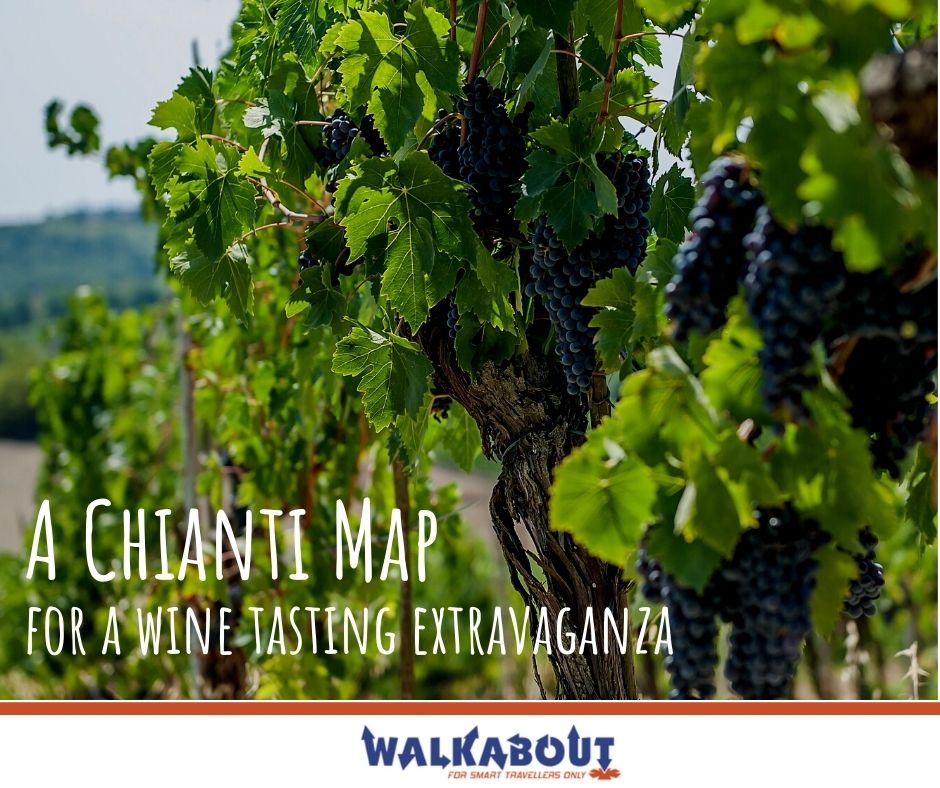
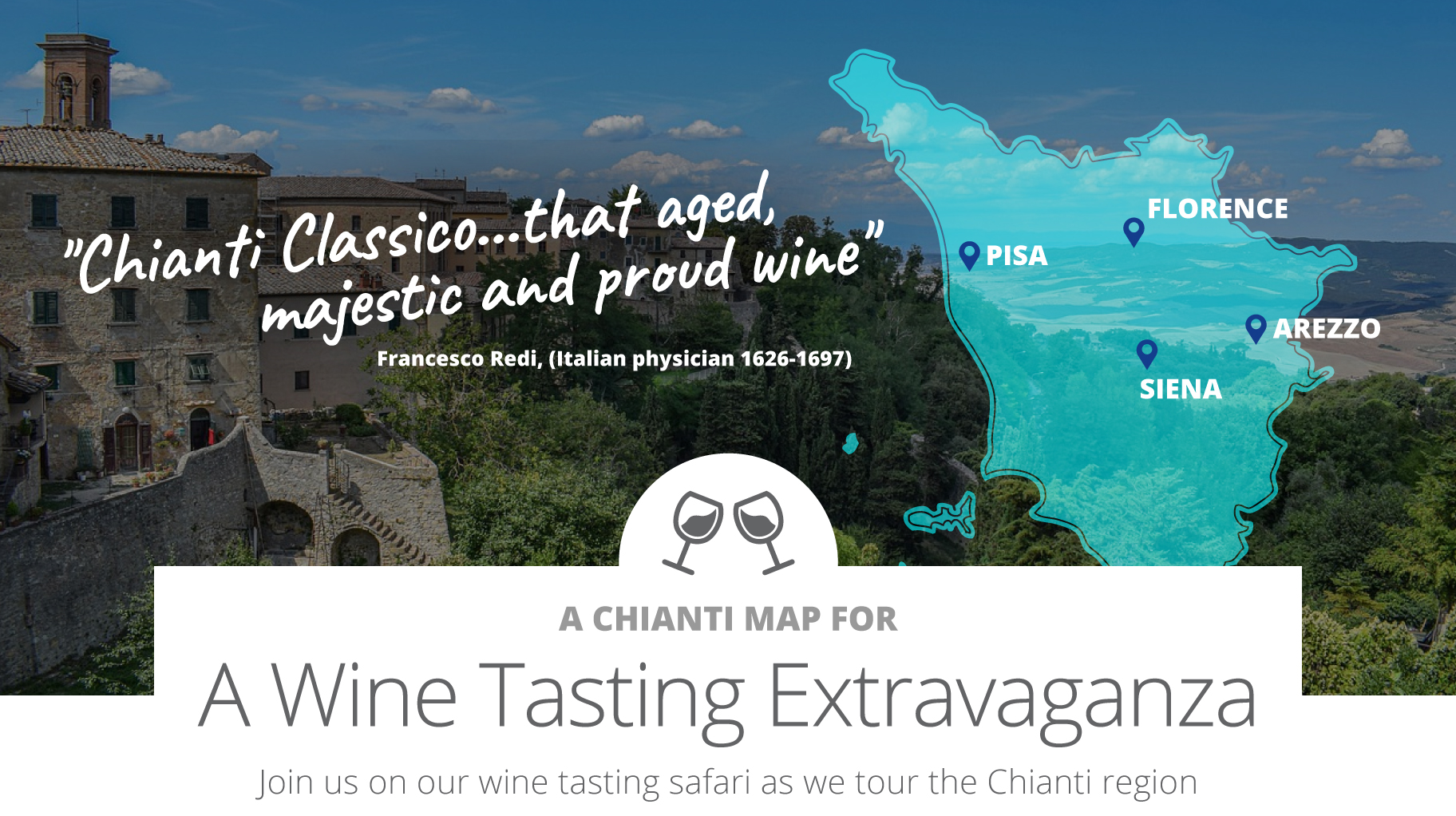
Pull up a Chianti map and you'll see it before you even taste a drop: a green, hilly wedge of Tuscany stretched between Florence and Siena, with Pisa watching from the west and Arezzo from the east. This is the beating heart of Italian wine country, the place that gave the world Sangiovese-based reds so distinctive they earned their own protected name. The seventeenth-century physician Francesco Redi called Chianti Classico "that aged, majestic and proud wine," and honestly, four hundred years later, nothing about that description needs updating.
What does need updating is how you get to know it. You could spend a week squinting at a paper map, guessing which back road leads to which cellar door, and still miss the wineries that actually matter. Or you could let someone who already knows every turn take you there instead. That's the whole idea behind a guided wine tasting day through Chianti: less navigating, more tasting.
Reading the Chianti Map: Pisa, Siena, Florence and Arezzo
Officially, the Chianti wine region sits inside a rough diamond formed by four cities. Florence marks the northern point, Siena the south, with Pisa off to the west and Arezzo out toward the east. Inside that diamond, the terrain rolls constantly, olive groves give way to vineyards and back again, and every ridge seems to hide another stone farmhouse with a cellar underneath it. Chianti Classico, the historic core of the zone between Florence and Siena, is where the strictest rules apply and where most of the wineries worth visiting are clustered.
None of this is obvious from a Chianti map alone, though. The DOCG boundaries don't follow roads, the best cellars aren't always the ones with the biggest signs out front, and some of the most rewarding stops are family estates that don't take walk-ins at all. That's the practical reason Walkabout runs its wine tasting day as a small-group excursion in an open-top Unimog truck rather than a rental car itinerary: the driver knows which gate to knock on, and the estates know to expect us.
There's also the matter of pace. Chianti rewards travelers who slow down, who don't mind lingering an extra ten minutes in a cellar because the owner started telling a story about his grandfather's harvest. A rental car itinerary tends to push people the other way, toward checking wineries off a list before the next reservation. Riding through the same hills with a small group, someone else driving and someone else keeping time, changes the rhythm of the whole day.
Trip Highlights on Our Chianti Wine Safari
A day built around a Chianti map still needs a plan, and ours moves through three very different stops, each chosen for a different reason.
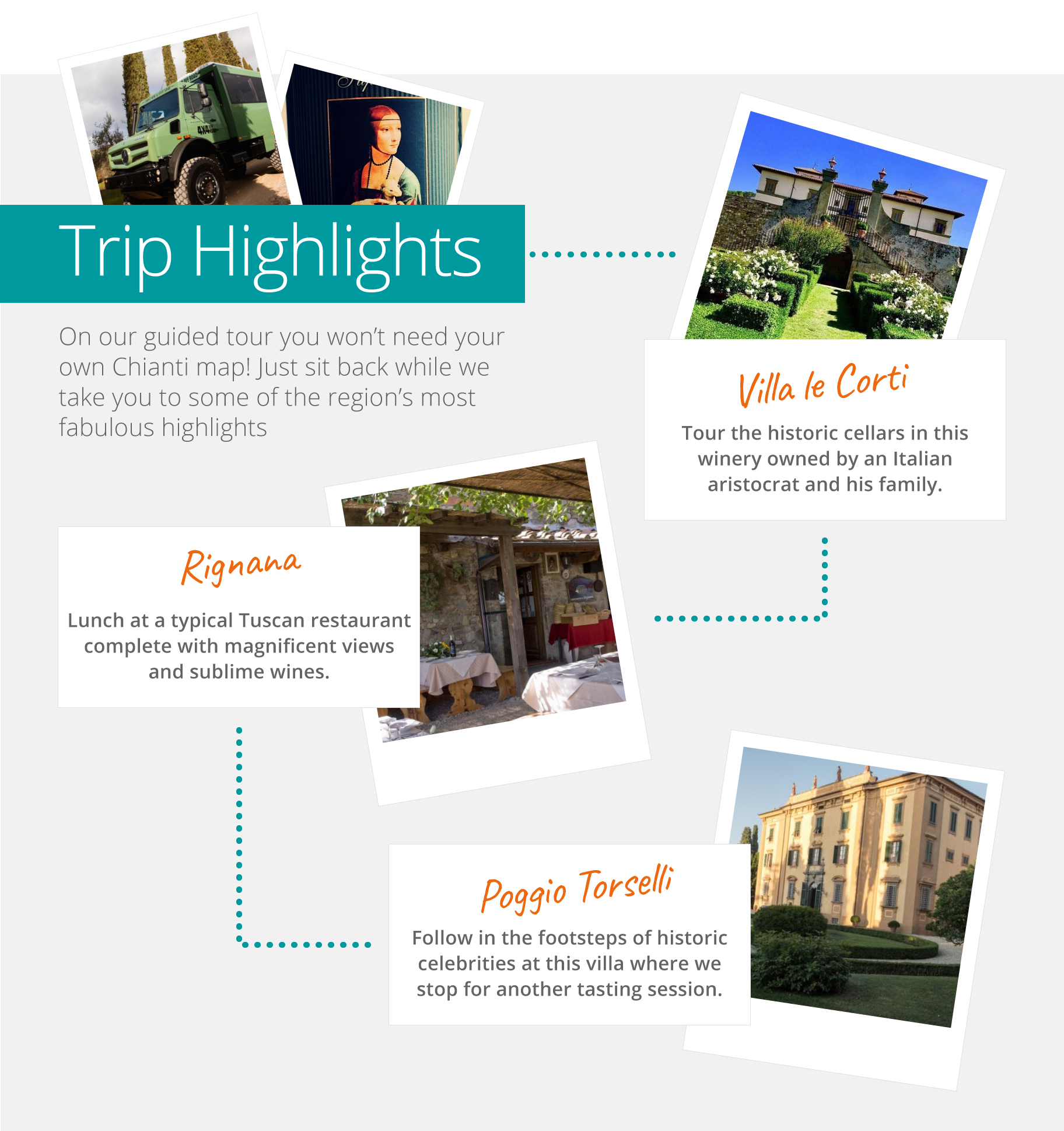
The first is Villa le Corti, a winery still owned by the aristocratic family that has run it for generations. The historic cellars here are the draw: cool stone rooms lined with barrels, some of them older than the guides describing them. It's less a tasting room than a working piece of Tuscan history that happens to make excellent Chianti Classico.
Lunch is at Rignana, a typical Tuscan restaurant with the kind of view that makes people stop mid-sentence. Simple, seasonal food, poured alongside wines chosen to match, at tables set outside whenever the weather allows it.
The last stop, Poggio Torselli, is a Renaissance villa with gardens grand enough to have hosted actual historic celebrities over the centuries. It's where the day closes with a final tasting, usually the moment people admit they've lost track of how many wines they've tried.
What Does Chianti Wine Actually Taste Like?
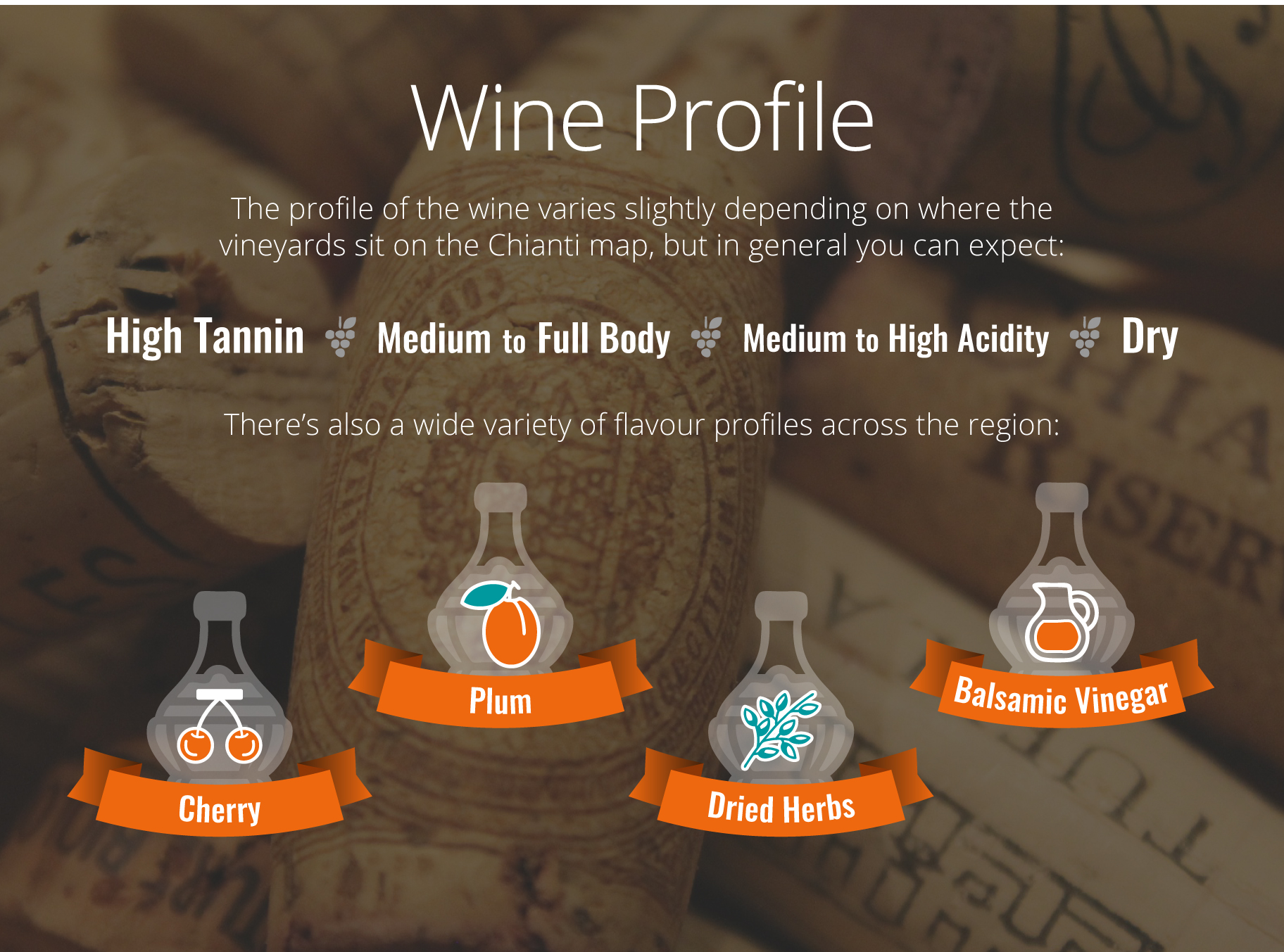
Ask five people to describe Chianti and you'll get five slightly different answers, and honestly, they're probably all correct. The wine's character shifts depending on exactly where on the Chianti map a vineyard sits, how much elevation it has, and how the local soil handles heat. What stays consistent across the region is the structure: high tannin, medium to full body, and the kind of acidity that makes Chianti such a natural match for food rather than a wine to sip on its own.
Flavor-wise, expect cherry and plum to lead, with dried herbs running underneath and, in older Riservas especially, a savory note that tasters often compare to balsamic vinegar. Sangiovese is the grape doing most of the work here, sometimes blended with small amounts of other local varieties depending on the producer and the appellation rules they're working under. A guide who tastes this wine every week can point out which notes come from which hillside, which is difficult to learn from a label alone.
It's worth remembering, too, that not every bottle labeled Chianti is aiming for the same thing. A straightforward Chianti DOCG is usually meant to be drunk young, within a couple of years, while Chianti Classico Riserva spends longer aging before release and shows it in the glass: darker fruit, softer tannin, more of that balsamic edge. Tasting both side by side, at the same table, on the same afternoon, makes the difference obvious in a way that reading about it never quite manages.
Where a vineyard sits on the Chianti map matters here too. Estates at higher elevation, with cooler nights, tend to produce wines with brighter acidity and more restrained fruit, while lower, warmer sites lean riper and rounder. It's one more reason a single afternoon spent moving between two or three different estates teaches you more about the region than any single bottle could on its own.
Pairing Chianti with Food
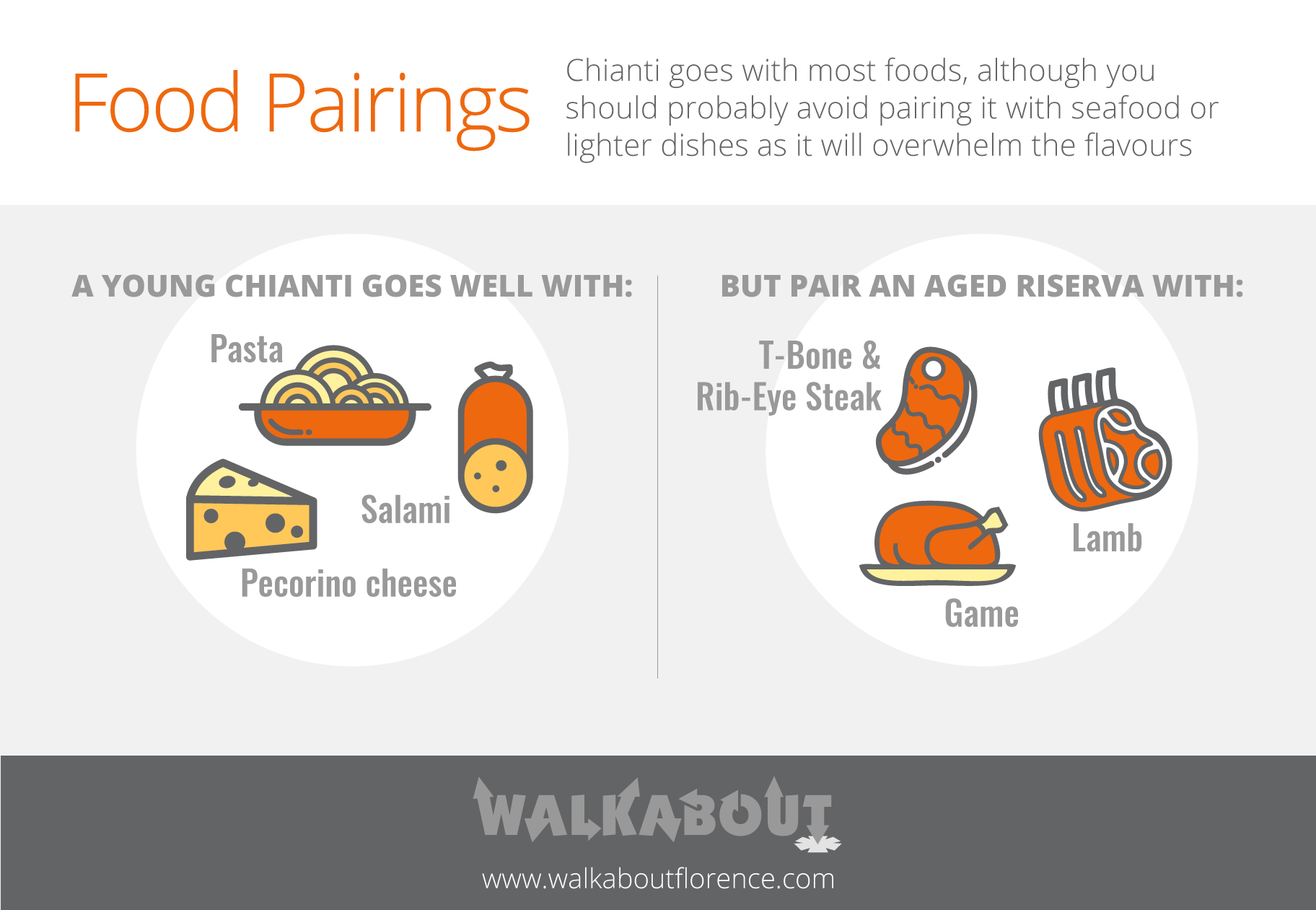
Because Chianti carries so much tannin and acidity, it tends to overpower delicate dishes rather than complement them. Seafood and lighter fare generally aren't the move. Where it shines is next to food with some weight behind it.
A young Chianti, still fairly fresh and fruit-forward, sits comfortably with pasta, cured salami, and sharp pecorino cheese, the kind of lunch you'd actually be served in a Tuscan farmhouse. An aged Riserva, with its deeper, more savory character, wants something bolder on the plate: a T-bone or rib-eye steak, roast game, or slow-cooked lamb. It's not a strict rule so much as a matter of proportion, matching the wine's intensity to the dish rather than fighting it.
This is another place where a guided tasting earns its keep. At each of our stops, the pairing is already worked out, so instead of guessing which bottle goes with which course, you just get to enjoy the combination someone else spent years figuring out.
Following the Map with Us Instead
A Chianti map is a genuinely useful thing to study before a trip to Tuscany, and it's worth a look if you're the sort of traveler who likes to know the lay of the land. But knowing where the region begins and ends is a different skill from knowing which gate to knock on at Villa le Corti or which table at Rignana has the best view. That local knowledge is what turns a scenic drive into a wine tasting extravaganza worth remembering.
If you'd rather leave the navigating to someone else, Walkabout's off-road Chianti wine safari covers all three stops above in a single day, riding through the vineyards in an open-top Unimog rather than a standard coach. For anyone still deciding which estate to prioritize, our guide to how to choose a winery in Chianti is a good place to start, and if you want the fuller story behind what's in your glass, Chianti wine explained goes deeper into the grapes, the DOCG rules, and what separates a Classico from a Riserva. Either way, the map is really just the starting point. The rest happens at the cellar door.